
Streaming Platforms
Streaming platforms are online services (like Netflix, Spotify, Disney+) delivering movies, shows, music, and podcasts over the internet on-demand, bypassing traditional cable/satellite; they generate revenue via subscriptions, ads, or both, and have transformed entertainment by offering instant access and original content, becoming the dominant way people consume media, especially for video. The industry is maturing, focusing on profitability with ad-tiers, bundles, and price changes, while still seeing massive growth in users and content.
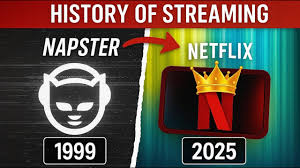
This video provides a brief history of how streaming services came to dominate the entertainment industry:


Key Characteristics
- On-Demand Access: Users watch or listen instantly without waiting for downloads.
- Device Agnostic: Accessible on TVs, phones, tablets, and computers.
- Over-the-Top (OTT): Delivers content directly to users over the public internet, cutting out traditional distributors.
- Content Variety: Offers movies, TV series, live TV, music, podcasts, and exclusive originals.
Revenue Models
- SVOD (Subscription Video on Demand): Recurring fees (e.g., Netflix).
- AVOD (Advertising-Supported Video on Demand): Free with ads (e.g., YouTube, some free tiers).
- Hybrid: Mixes subscription with ad-supported options (e.g., Peacock, Max).
This video explains some of the key features and user experience elements that contribute to a successful streaming platform:



Market & Trends
- Rapid Growth: Significant expansion, especially during the pandemic, with high household adoption.
- Dominance: Streaming has surpassed traditional TV viewing in many areas, notes Wikipedia.
- Maturing Market: Moving from "growth at all costs" to focusing on profitability, with strategies like password sharing crackdowns and ad-supported tiers.
- Bundling: Services are exploring bundles to retain subscribers.
Major Players
- Video: Netflix, Amazon Prime Video, Disney+, Max (HBO), Apple TV+, Hulu, Peacock.
- Music: Spotify, Apple Music, Amazon Music, YouTube Music.